

$69.00
Out of Stock


KEY NUTRIENTS
Per
85
g Serving — One Of Nature's Highest Sources!
150
Calories
18g
Protein


Description
There’s something about a special dinner in. Whether you are planning a romantic date night or you are the hostess with the mostess, we’ve got you covered with our select oysters. Fine dining delivered right to your door, these fresh and tender oysters have a rich and succulent flavor. Each one is wild-caught in James River, Virginia, ensuring that you get quality options that everyone will enjoy. Our select oysters come in 2-pint containers, ensuring plenty of this fine meal for your guests. Every package is shipped in dry ice, so you can rest assured that they will be fresh and ready to prepare. Everything is caught fresh, ensuring a succulent taste not easily forgotten. Serve at home for a weeknight twist or prepare them with friends for a delicious dining experience.
Oyster Stew Recipe
Ingredients:
- 1 large onion, diced
- 4 tablespoons butter
- 2 garlic cloves, minced
- ¼ teaspoon paprika
- ¼ teaspoon salt
- ½ teaspoon black pepper
- 1 teaspoon dried parsley
- 6 cups milk
- 16 ounces Wholey’s select oysters, not drained
Directions:
- In a large saucepan, heat butter over medium heat.
- Add onion and sauté until tender.
- Add garlic and continue to sauté for about 1 minute.
- Add pepper, paprika, and salt, and stir for 1 minute.
- Drain the oysters into a separate bowl, and set liquid aside.
- Add oyster liquid, milk, and parsley to saucepan and reduce heat to low.
- Cook over low heat, until bubbles start to appear around the edge. Do not allow to boil.
- Add oysters and cook over low heat until oysters begin to curl.
- Enjoy!

Nutrition Info
nutri_serving g
85
nutri_calories
150
nutri_calories per serving
127.5
nutri_protein
18
nutri_protein per serving
15.3
nutri_fat
7
nutri_fat per serving
5.95
nutri_cholestrol
55
nutri_cholestrol per serving
46.75
nutri_sodium
200
nutri_sodium per serving
170
nutri_confidence
Medium
Related Products
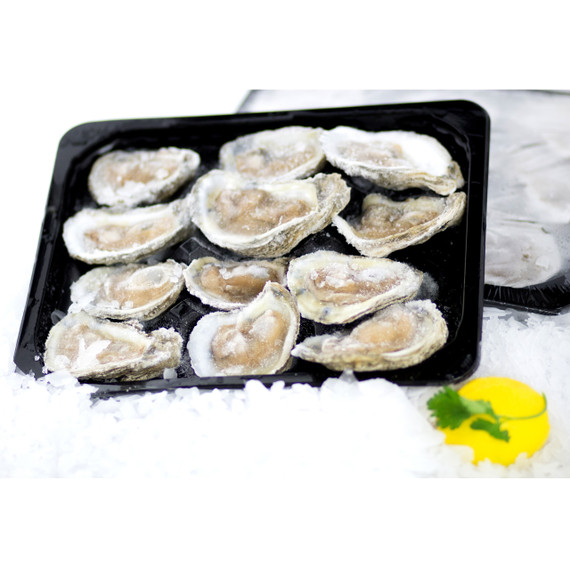
Oysters On The Half Shell (2 Dozen)
Dinner at home has never been nicer. Now, to experience the flavorful taste of oysters, you don’t even have to deal with the difficult shucking. Instead, with our oysters on the half shell, you can...
$59.00

Atlantic Chopped Clams (2 Pints)
If you are from or have ever visited New England, you are undoubtedly familiar with how popular clams are in several styles of dishes. From chowders to pastas, our chopped clams will provide a...
$39.00

Breaded Oysters (2.5 lbs.)
Food is a language we all speak. For some, they want to branch out and try different options that aren’t always readily available, and for all you landlocked people, we’ve got you covered. Our...
$49.00

Canadian Salmon Steaks 2 lbs. avg. (2-3 Steaks) Bone-In
Cut Fresh Daily, Freezes During Transit with Dry Ice. Cooking light should never mean skimping on flavor! Seafood is packed with essential Omega-3 fatty acids and the good fat our bodies crave. It...
$47.00

Catfish Fillets (2 Lb.)
Cut Fresh Daily, Freezes During Transit with Dry Ice. From étouffée to delicious and crunchy nuggets, catfish is one of the most dynamic fish for savory recipes. Explore the versatility of our...
$44.00